
Disclosure: This post may contain affiliate links. If you book or purchase through these links, I may earn a small commission at no extra cost to you. Thank you for supporting this blog.
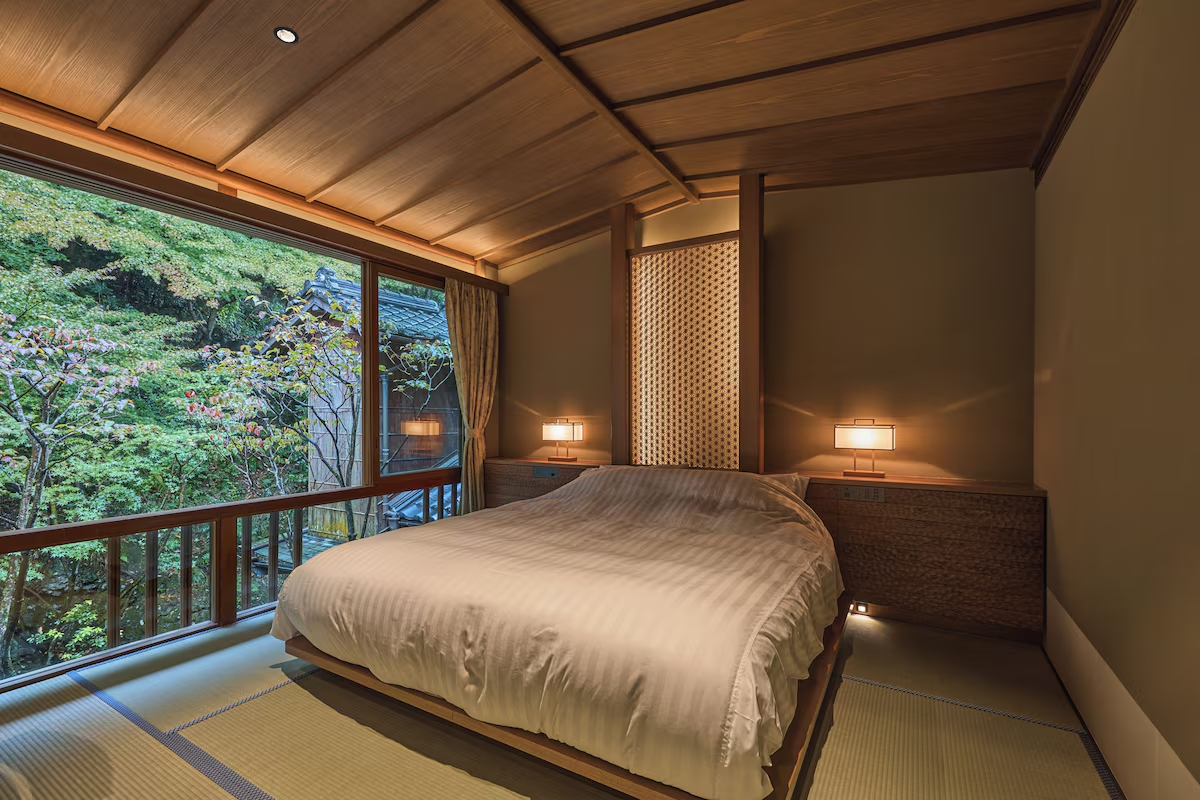
Somewhere in Japan right now, a traveler is checking in at a front desk staffed by robot dinosaurs. Another one is soaking in a hot spring eighteen floors above Tokyo traffic. And a third is arriving at their hotel by boat – because there’s no road to the front door.
None of that is marketing spin. These places are real, guests book them out months ahead, and a few cost less than a mid-range chain hotel back home.
So here are 15 unique hotels in Japan that sound made up until you look them up. Quick note before we start: prices move around a lot depending on season and how early you book, so treat anything I mention as a ballpark. Let’s go.
15. Henn na Hotel Tokyo Hamamatsucho
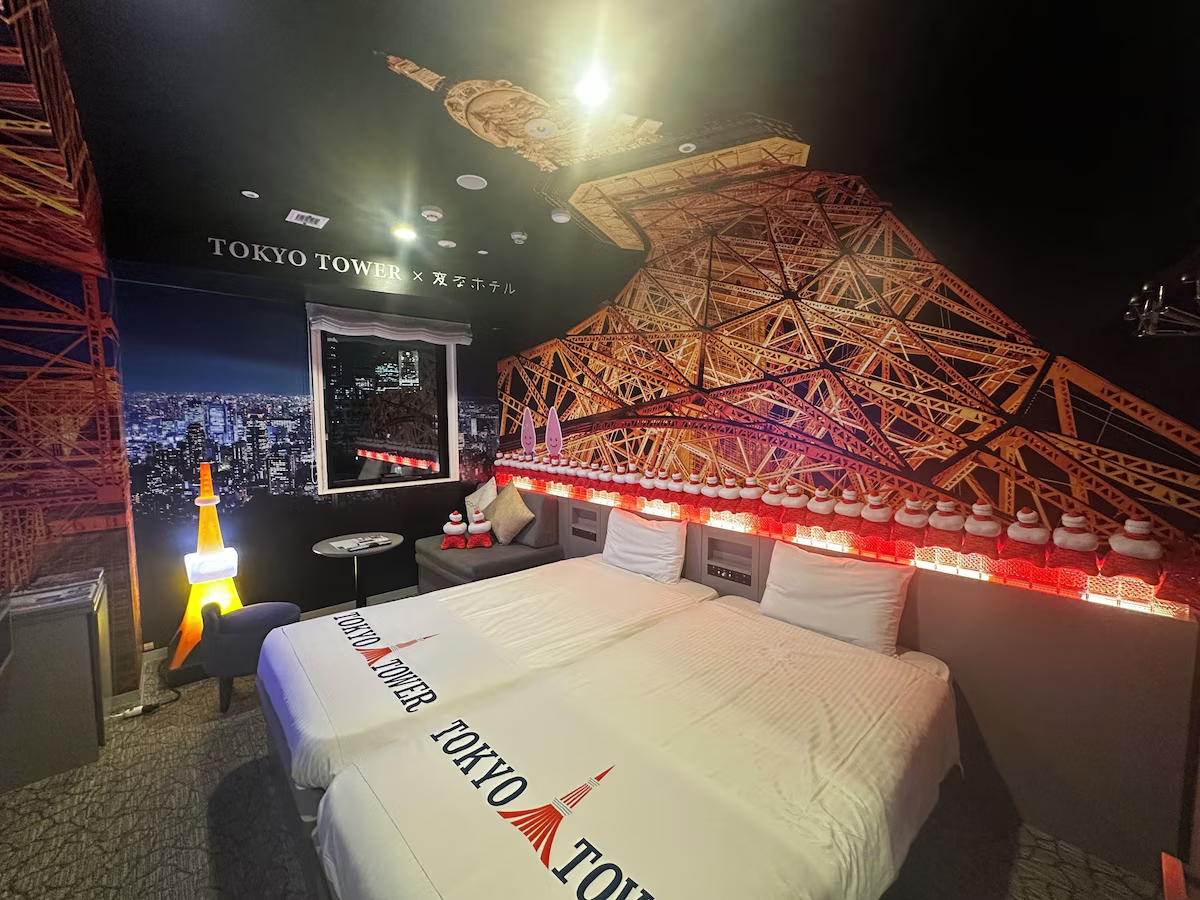
Robots run the lobby. You check yourself in on a touchscreen while a dinosaur in a bellhop cap sits behind the desk, and yes, that’s the actual concept.
Location does a lot of heavy lifting here. Hamamatsucho Station sits a couple of minutes away, Tokyo Tower’s a fifteen-minute walk, and the monorail runs straight to Haneda Airport.
Rooms are compact, which is standard for central Tokyo. Guests consistently praise how spotless they are, and the fast Wi-Fi and quiet hallways come up over and over. There’s a laundry room and luggage storage too.
The trade-off? Space. Travelers agree the airport link and the price more than cover it.
Best for: solo travelers and couples who want a novelty night without a big spend.
14. The Millennials Kyoto
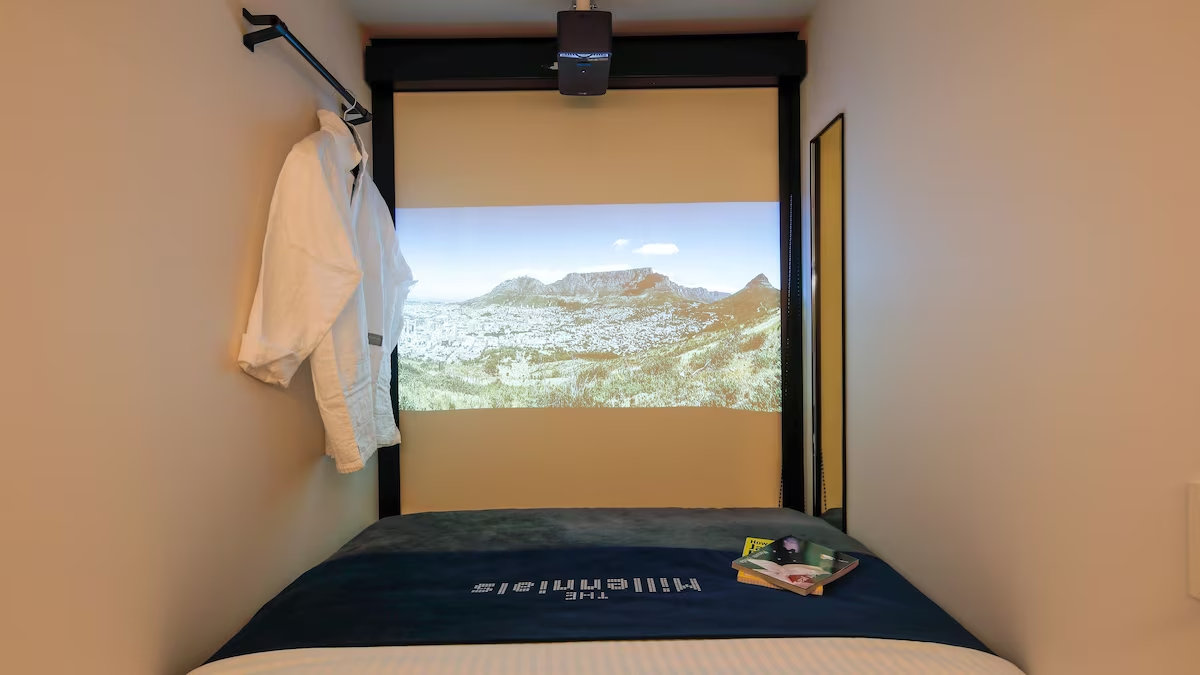
Want a capsule stay that doesn’t feel like a coffin? This one hands you a pod with a bed that reclines into a sofa at the touch of a button.
It sits in central Kyoto near Sanjo, so you can walk to subway lines, Nishiki Market, and a ridiculous number of restaurants.
Guests regularly mention the beds, the genuinely clean shared showers, and free breakfast. There’s a co-working lounge, and the nightly happy hour gets a lot of love from people traveling alone.
Light sleepers should pack earplugs – it’s a social place. Most travelers say the value makes that an easy call.
Best for: budget travelers and solo trips.
13. Onsen Ryokan Yuen Shinjuku
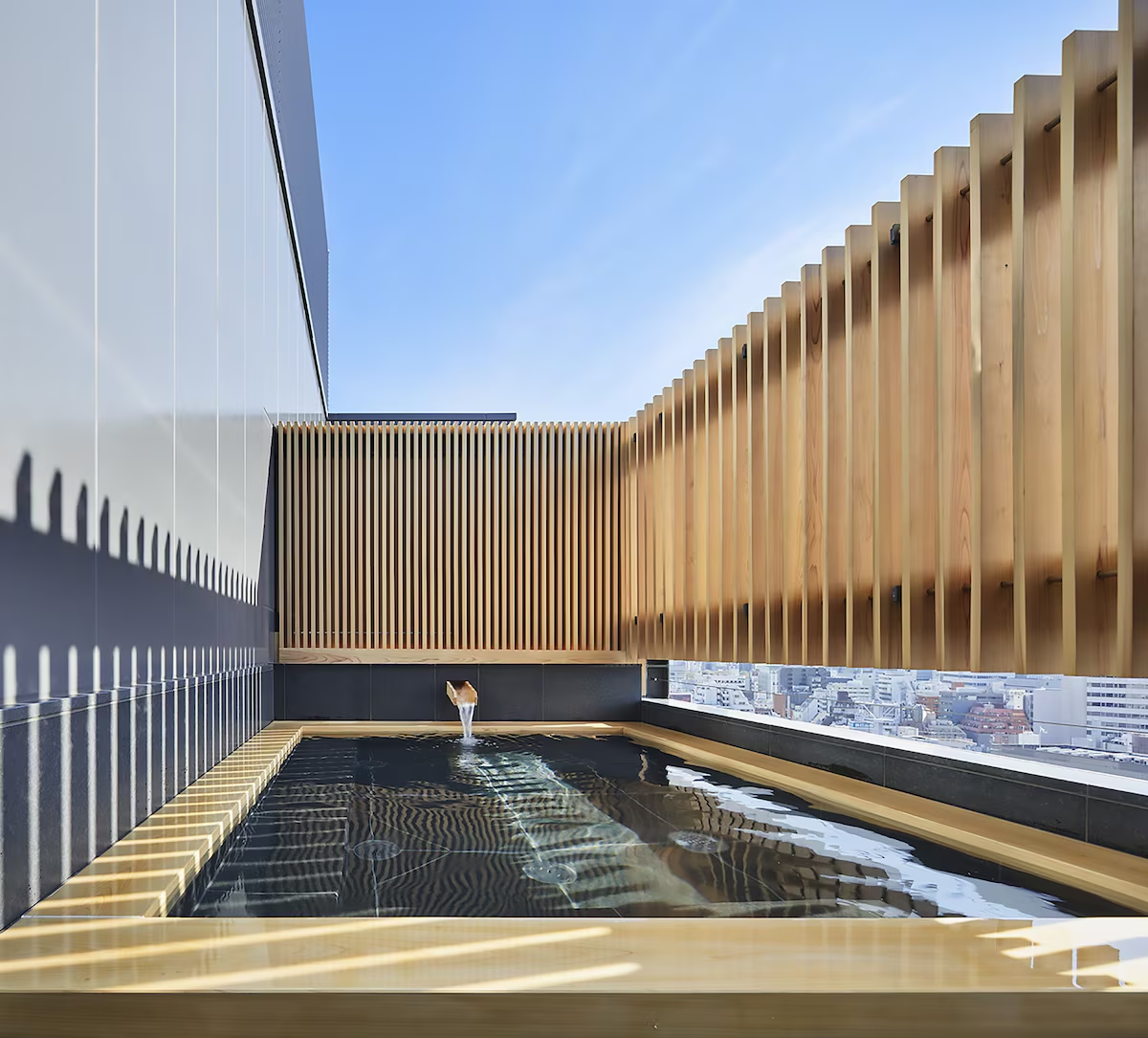
A traditional hot spring inn, in Shinjuku, with an open-air bath on the top floor overlooking the city skyline. That combination shouldn’t exist, and yet.
You’re a short walk from Shinjuku Station on a quiet residential street, which means you get the transport links without the noise.
Rooms lean minimalist – tatami textures, calm lighting, comfortable beds. Guests frequently highlight the 18th-floor onsen, the lounge where you cool off afterward, and the Japanese breakfast.
Rooms aren’t large, and several travelers suggest sizing up from the smallest category if you’ve got big suitcases.
Best for: couples and first-time visitors who want a ryokan feel without leaving the city.
12. Aomoriya by Hoshino Resorts
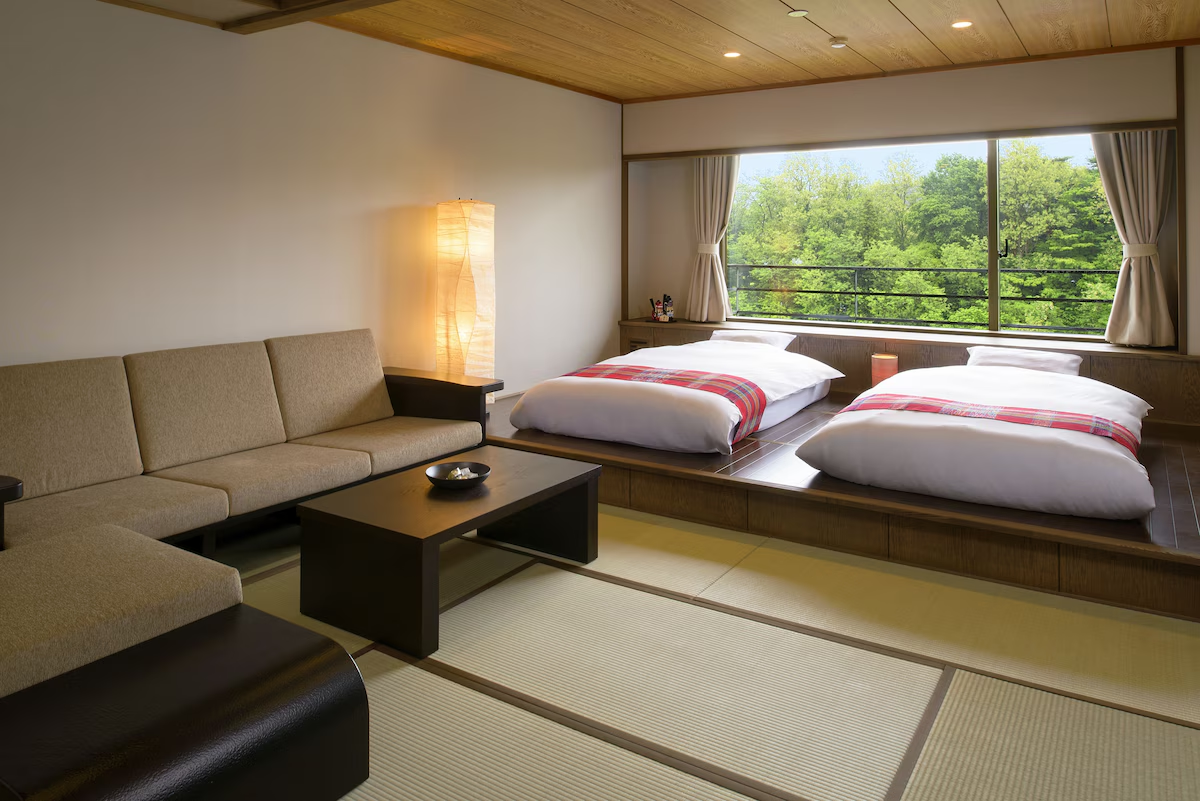
Up in northern Honshu, this resort keeps giant illuminated Nebuta festival floats indoors and runs a nightly festival show with live drumming. There’s also an outdoor bath surrounded by forest, and in autumn they float apples in it.
Misawa Station is close, and the resort runs shuttles. Rooms are large by Japanese standards, many with semi-open-air baths.
Guests consistently praise the food – the seafood buffet gets mentioned constantly – along with the onsen and the staff. Families love the horse-drawn carriage rides in winter.
It’s a big property, so it can feel busy at peak times.
Best for: families and anyone chasing regional Japan.
11. HOSHINOYA Tokyo
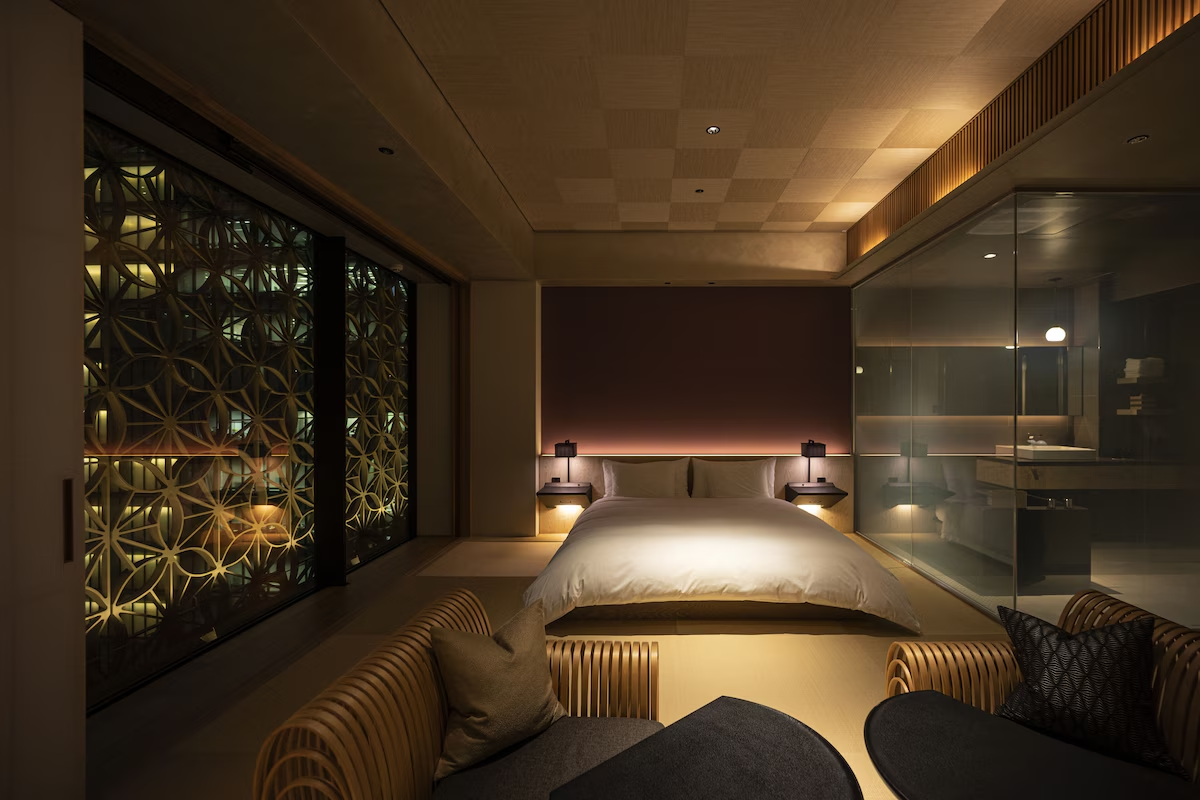
Picture a ryokan stacked seventeen floors high in the middle of Tokyo’s financial district, with a natural hot spring pumped up from 1,500 metres below the street.
You take your shoes off at the door and don’t put them back on until you leave. Otemachi Station is downstairs; the Imperial Palace gardens and Ginza are walkable.
Rooms use tatami, washi paper screens, and low lighting. Guests describe the service as attentive without hovering, and the rooftop open-air bath under the night sky comes up in almost every review.
It’s expensive. Most guests say a night or two is the sweet spot.
Best for: luxury travelers and special occasions.
10. Sanga Ryokan, Kurokawa Onsen
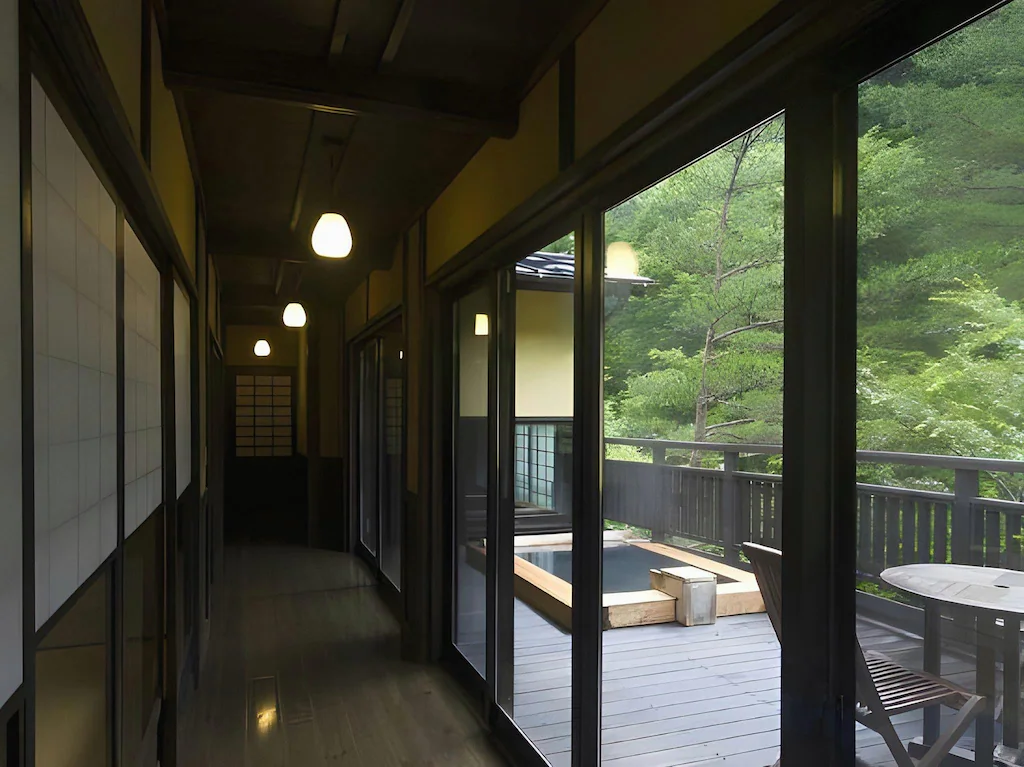
Deep in the Kumamoto mountains, this inn spreads out along a stream, and guests get free access to several private open-air baths booked by the hour.
Kurokawa Onsen town is a short shuttle ride away – that’s the postcard hot spring village with the wooden bathhouses.
Rooms follow the traditional layout, and some come with their own bath. Travelers consistently mention the sound of running water, the kaiseki dinners that change nightly, and staff who remember your name.
Getting here takes effort without a car, though guests say the isolation is the whole point.
Best for: couples and travelers who want a real onsen experience.
9. Kayotei, Yamanaka Onsen
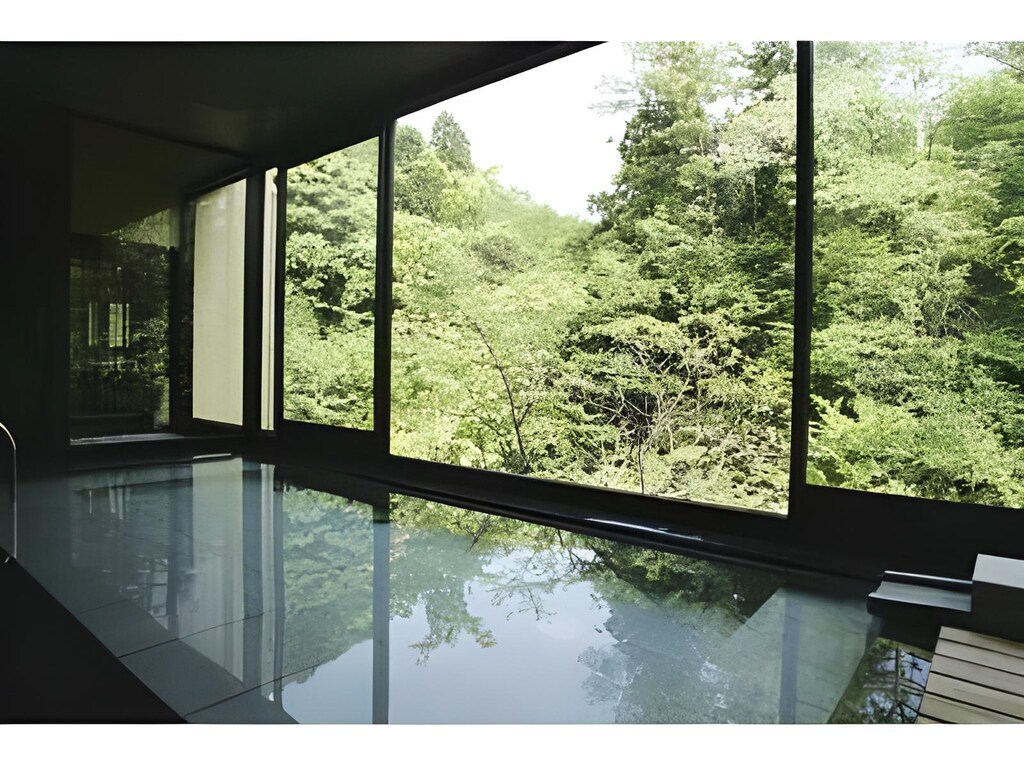
Only ten rooms. Every one has its own naturally heated bath looking out over a wooded ravine. That’s the pitch.
You’re in Ishikawa Prefecture, near Kaga Onsen Station and about half an hour from Kanazawa, with walking trails along the Kakusenkei gorge right outside.
Guests describe the rooms as suites, the food as the highlight of their entire trip, and the service as attentive in a quiet, unfussy way. The owner often greets guests personally.
With ten rooms, availability disappears fast. Book early.
Best for: couples, honeymooners, and travelers who want somewhere small.
8. Nishimuraya Honkan, Kinosaki Onsen
This inn has been running for over 150 years, and it shows in the woodwork. Guests wander the town in yukata and wooden sandals, hopping between seven public bathhouses.
Kinosaki sits in Hyogo Prefecture, reachable by direct train from Kyoto and Osaka. The ryokan shuttles you from the station.
Rooms open onto a central garden, and many include private baths. Travelers consistently praise the kaiseki dinners – the Tajima beef in particular – and the personal attendant assigned to each room.
Prices climb during crab season in winter, so plan around that.
Best for: luxury travelers and anyone doing a classic ryokan night.
7. NIPPONIA HOTEL Ozu Castle Town
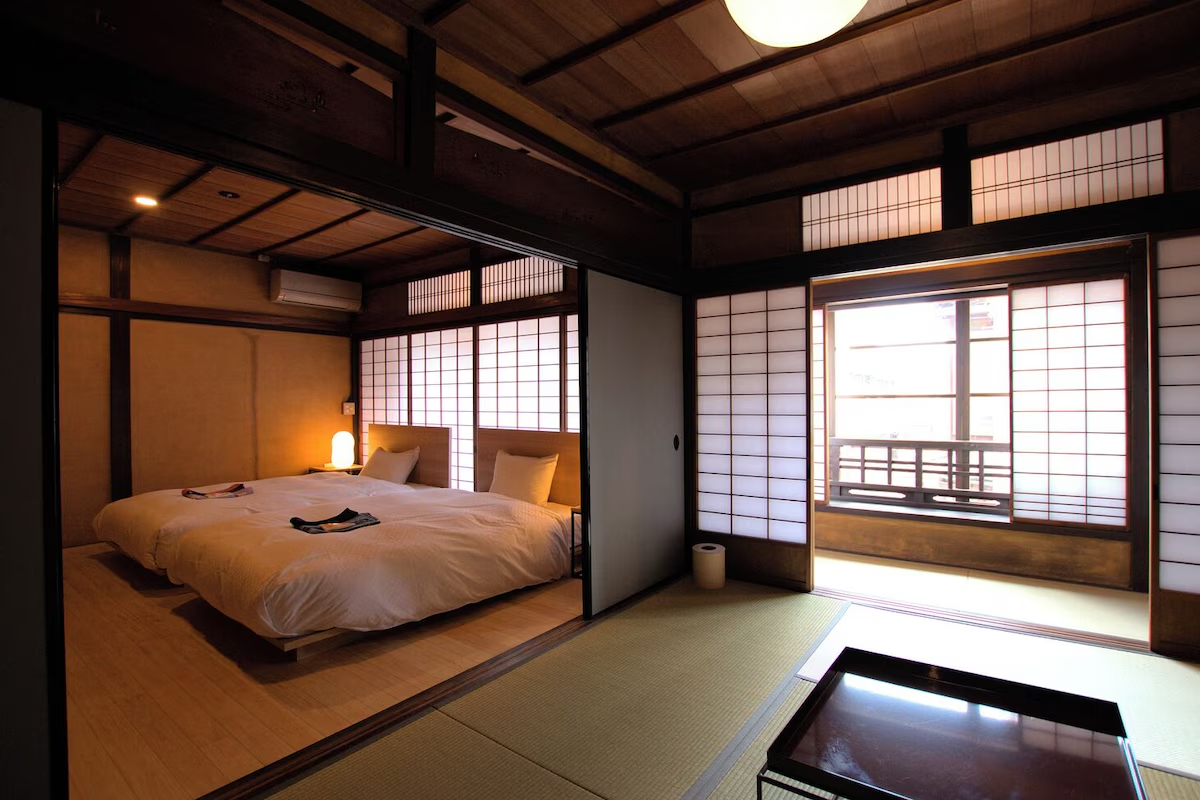
Here’s the concept: instead of one building, the hotel restores old merchant houses scattered across a historic town on Shikoku. Your room might be a two-storey house from the 1800s.
Ozu Castle stands a short walk away, and the surrounding streets are full of small workshops, shrines, and family-run shops.
Rooms are unusually spacious – some sleep a family of four comfortably. Guests frequently highlight the dinners built around local country cooking, the sake list, and staff who go well out of their way.
The bathroom’s downstairs in some units, which takes getting used to.
Best for: families and travelers heading off the standard route.
6. Eko-in, Koyasan
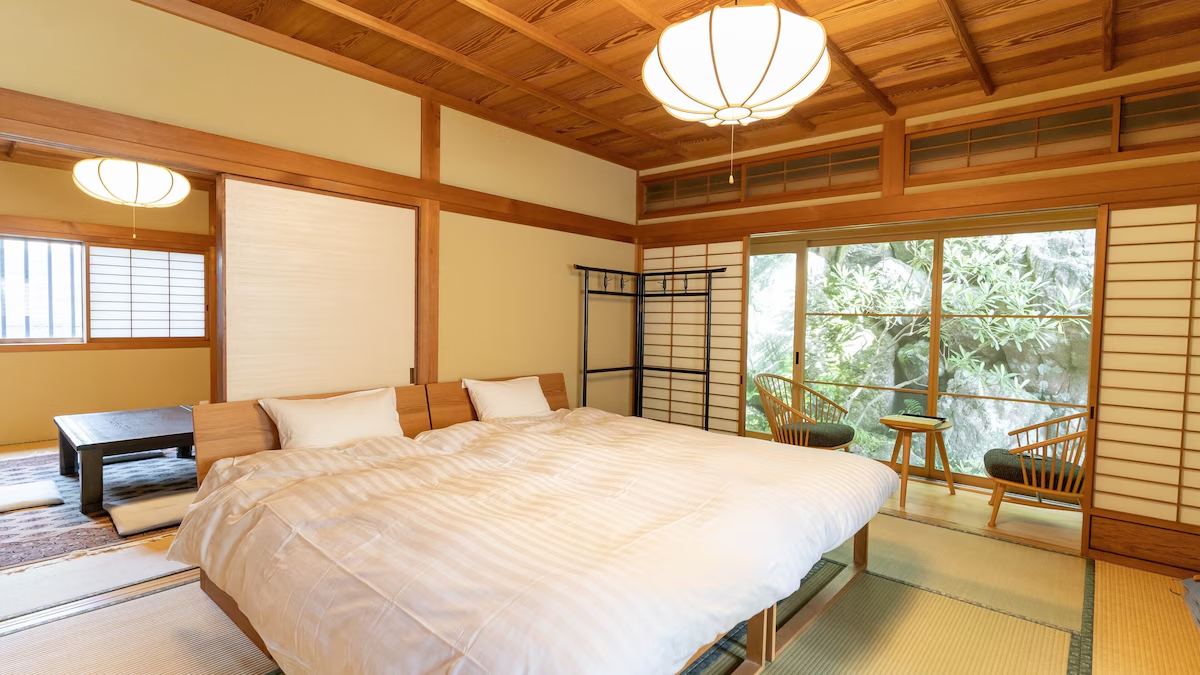
You can sleep inside a working Buddhist temple on Mount Koya, a sacred mountain settlement founded over 1,200 years ago. Monks serve you dinner. You wake for morning prayers.
Eko-in sits close to Okunoin, the vast cedar-forested cemetery you can walk at night.
Rooms are traditional tatami with garden views and shared bathing areas. Guests consistently praise the shojin ryori vegetarian meals, the fire ritual, and how peaceful the grounds feel after the day visitors leave.
Fair warning: it’s a temple, not a hotel. Rooms have paper walls and lights go out early.
Best for: solo travelers and culture-focused trips.
5. Benesse House Park, Naoshima
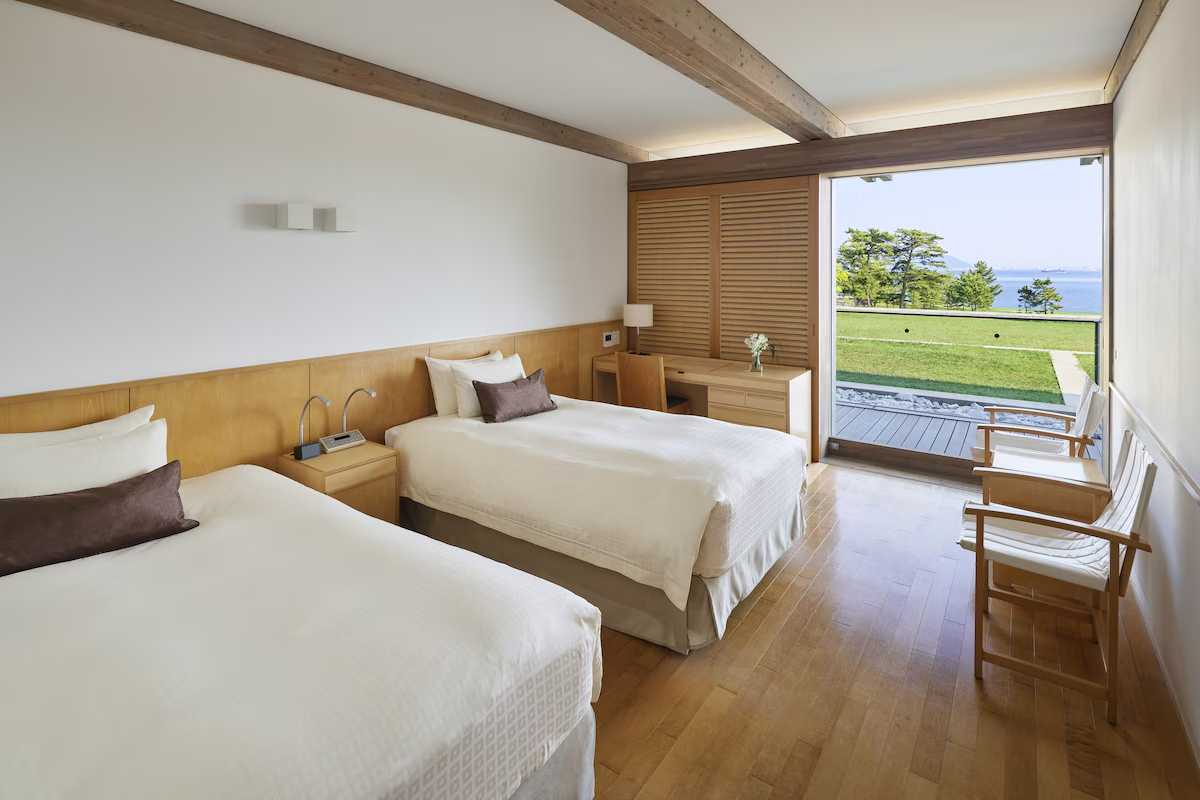
An art museum you can sleep in. Tadao Ando designed the whole thing in raw concrete on an island in the Seto Inland Sea, and guests get after-hours museum access.
Naoshima is covered in outdoor sculpture, including that famous yellow pumpkin. Ferries run from Uno and Takamatsu.
Rooms are minimalist with sea or park views, and many have private balconies. Travelers consistently mention the sunsets, the silence, and the breakfast buffet.
Island dining options thin out at night, so most guests eat on-site.
Best for: design and art lovers, and couples.
4. The Fujiya Hotel, Hakone
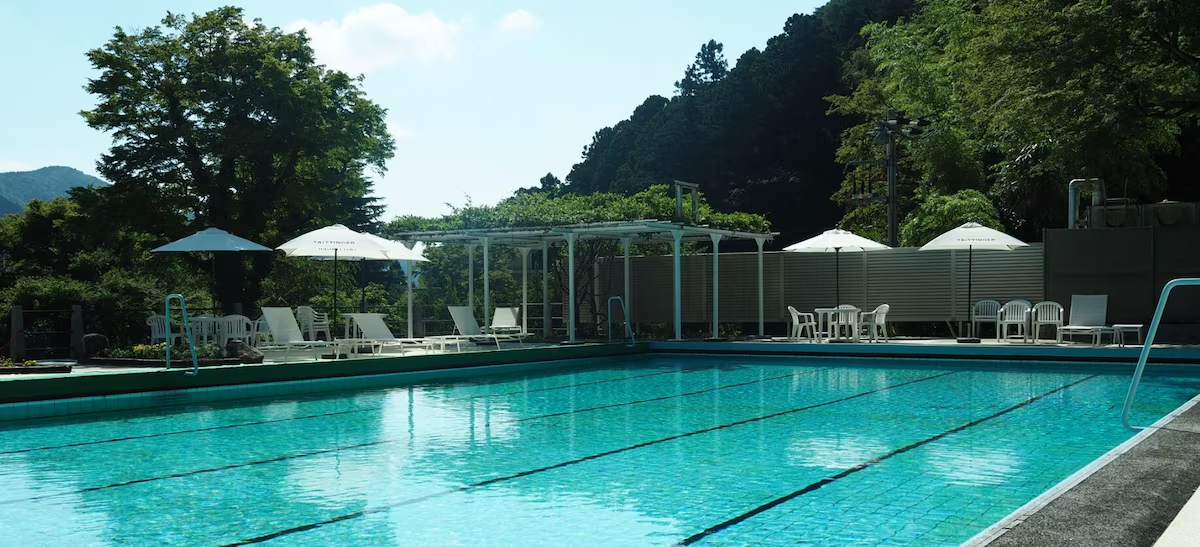
Opened in 1878, this was one of Japan’s first Western-style hotels, and the architecture is a genuinely strange mash-up of temple roofs and Victorian trim. It reopened after a long restoration and looks incredible.
You’re in Miyanoshita, on the Hakone Tozan railway line, with hiking trails and shops nearby.
Rooms are large and full of period detail. Guests consistently praise the private gardens, the hot spring baths, and the historic main dining room.
Service leans formal, which some travelers love and others find slow.
Best for: history buffs and couples doing a Hakone loop.
3. Hotel Chinzanso Tokyo
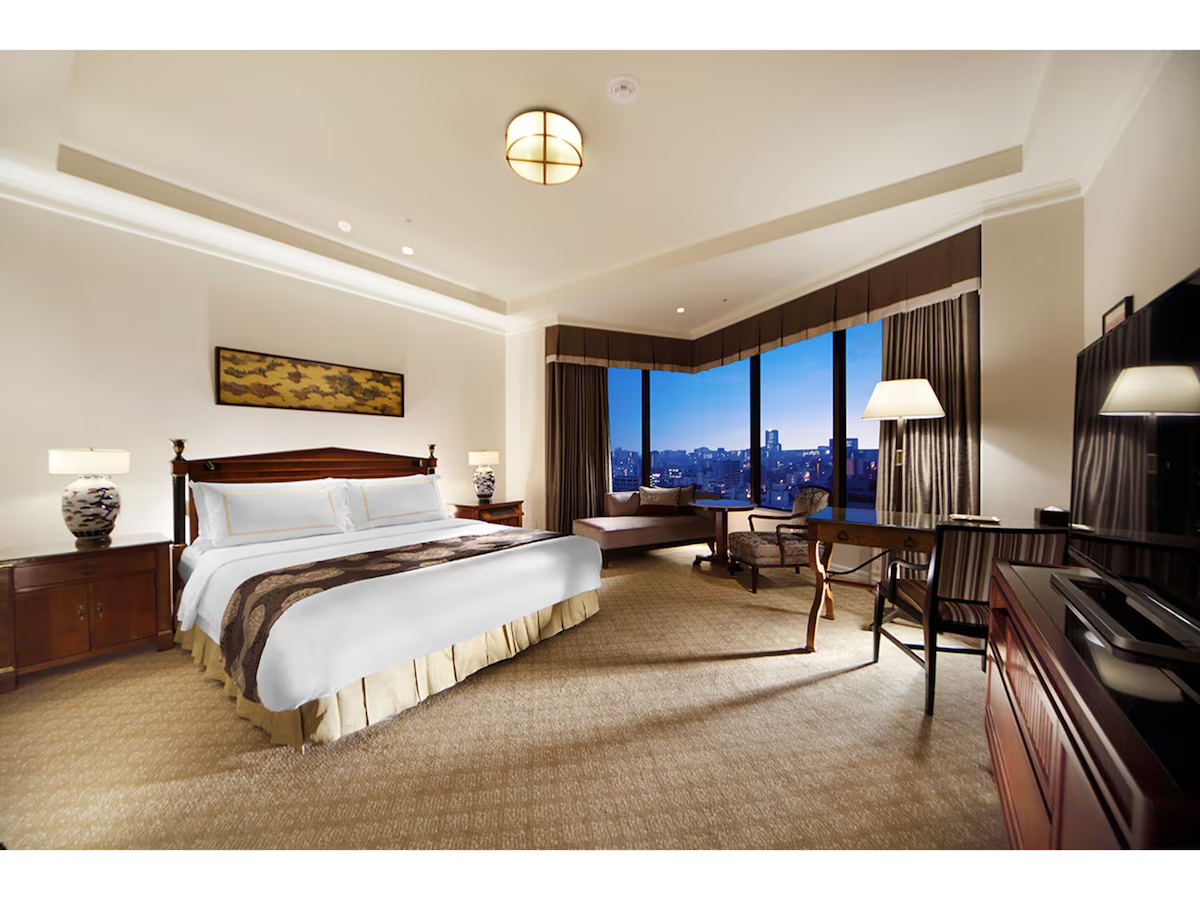
Every evening, mist rolls across a 17-acre garden containing a 1,000-year-old pagoda, right in the middle of Tokyo. They call it the Sea of Clouds. In June, fireflies show up.
It’s in Bunkyo, a ten-minute walk from the nearest station, which puts you slightly outside the tourist crush.
Rooms are big by Tokyo standards, and garden-view ones are worth the upgrade. Guests consistently praise the spa, the Japanese breakfast, and staff who anticipate what you need.
You’re not walking to Shibuya from here – most guests treat the hotel as the destination.
Best for: luxury travelers and couples.
2. HOSHINOYA Fuji
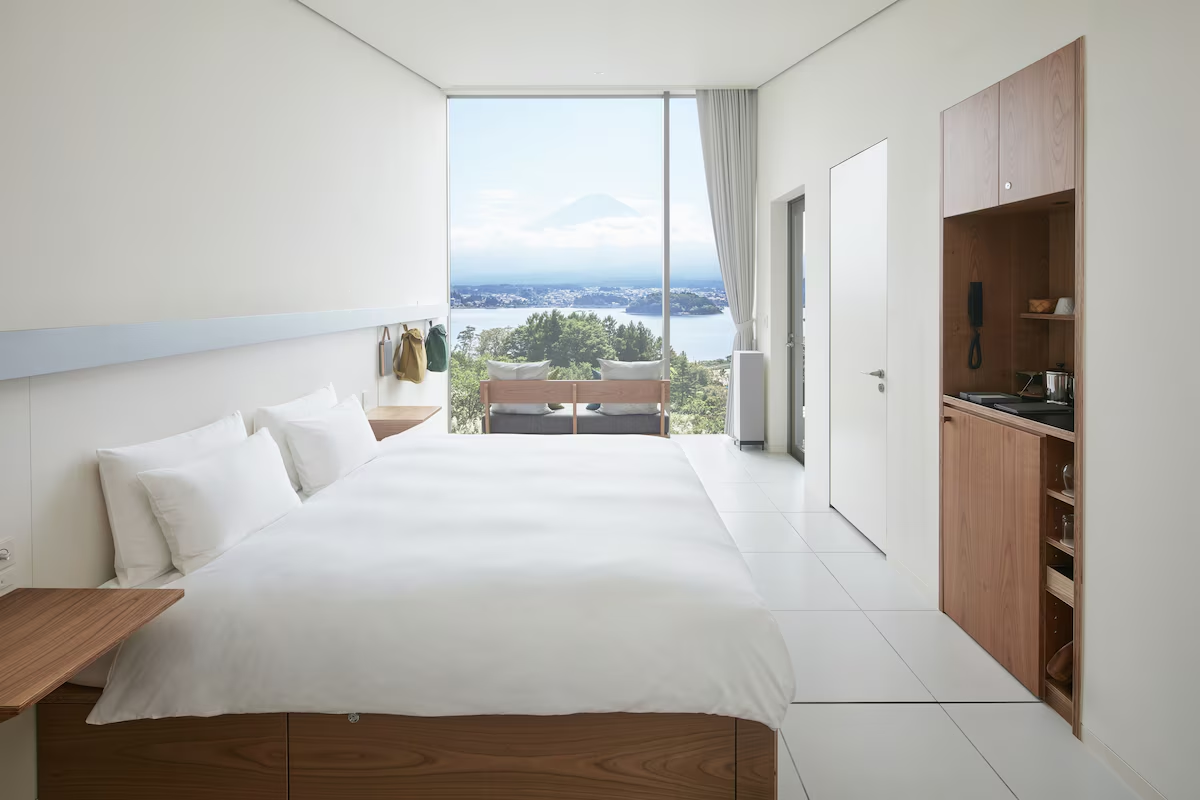
Japan’s first glamping resort. Concrete cabins sit staggered up a forested hillside, each with a balcony framing Mount Fuji, and there’s a fire pit going most evenings.
You’re above Lake Kawaguchiko, with canoeing, forest walks, and horseback riding available on-site.
Cabins are spacious and warm, with heated floors and huge windows. Travelers consistently mention the calm, the activities, and how good the food is for somewhere this remote.
Fuji hides behind cloud a lot. Guests say the atmosphere carries the stay regardless.
Best for: couples and anyone wanting nature without roughing it.
1. HOSHINOYA Kyoto
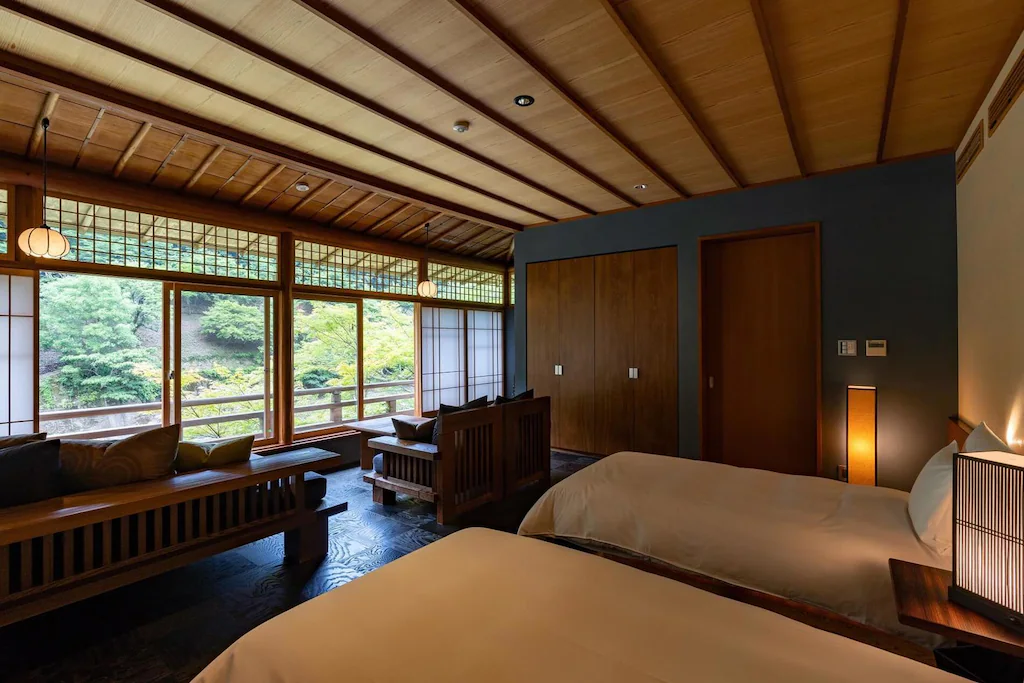
Number one, and here’s why: there’s no road. Staff meet you at a boathouse in Arashiyama and take you up the Oi River by private boat.
Once you’re there, you’re surrounded by forest and water, with the bamboo grove and monkey park a fifteen-minute walk away.
Rooms are riverfront with wide windows, deep tubs, and traditional detailing. Guests consistently praise the boat arrival, the breakfast, and staff who somehow pilot boats and serve kaiseki with equal skill.
The area quiets down completely after sunset – book dinner ahead.
Best for: couples and once-in-a-lifetime trips.
So that’s the list. Robot check-ins in Tokyo, pods in Kyoto, temple mornings on Koyasan, art on Naoshima, and a hotel you reach by boat.
The best part? Half of these cost less than you’d assume, and even the splurges make sense for a night or two.
About the Author

Ethan Miles
Thanks for stopping by Happy Travel Corner! I enjoy researching destinations, discovering great hotels, putting together travel outfit ideas, and sharing simple travel tips to help make every trip a little easier to plan. I hope you'll find ideas and inspiration for wherever you're headed next. Happy travels!