
Disclosure: This post may contain affiliate links. If you book or purchase through these links, I may earn a small commission at no extra cost to you. Thank you for supporting this blog.
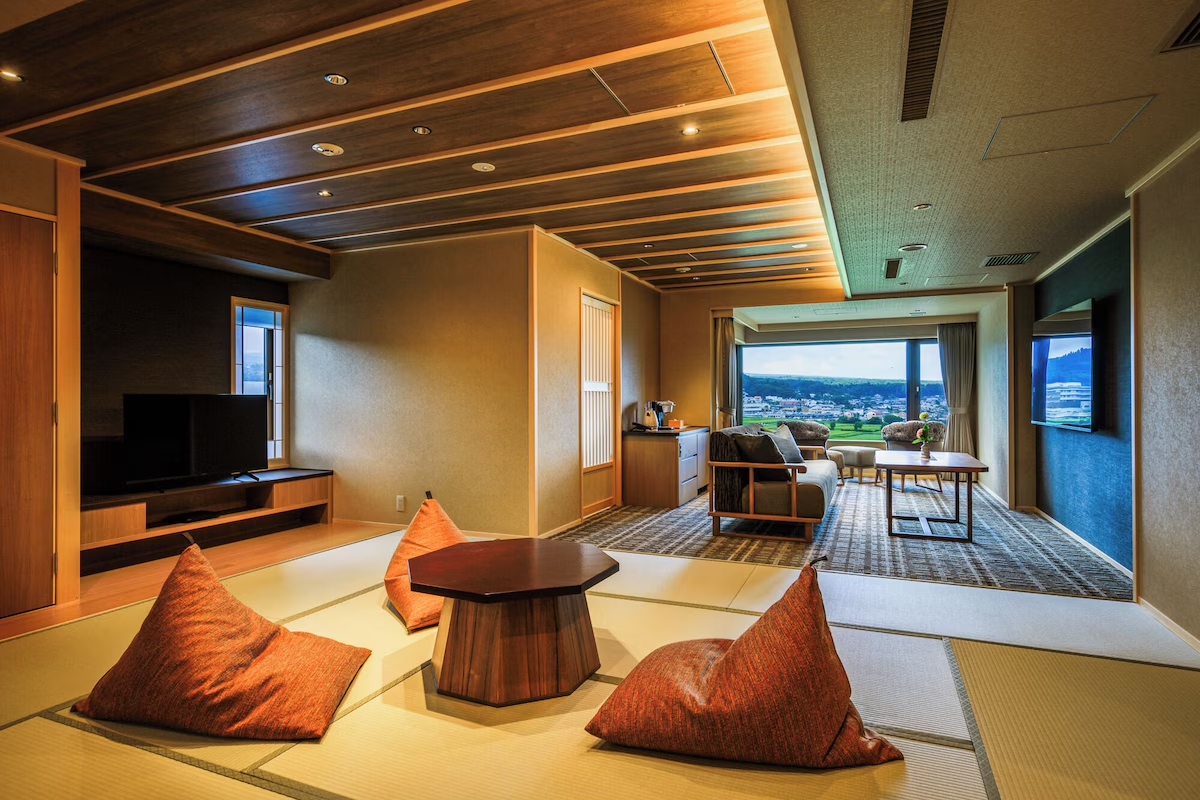
Most hotels in Japan give you a bed, a TV, and a view of a parking lot. A ryokan gives you tatami floors, a private hot spring, and a multi-course dinner served in your room while you sit there in a robe wondering why you ever stayed anywhere else.
If you’re planning a trip to Japan and you want more than just a place to sleep, this video is for you. We’re counting down 12 traditional Japanese ryokans that consistently earn glowing reviews from real guests – covering everything from Tokyo and Kyoto to hot spring towns most tourists never find. By the end, you’ll know exactly which one fits your travel style and your budget.
Quick note before we start: prices at these places change depending on your travel dates and availability, so always check current rates before booking. Alright, let’s get into it.
#12 – Sukeroku no Yado Sadachiyo Ryokan
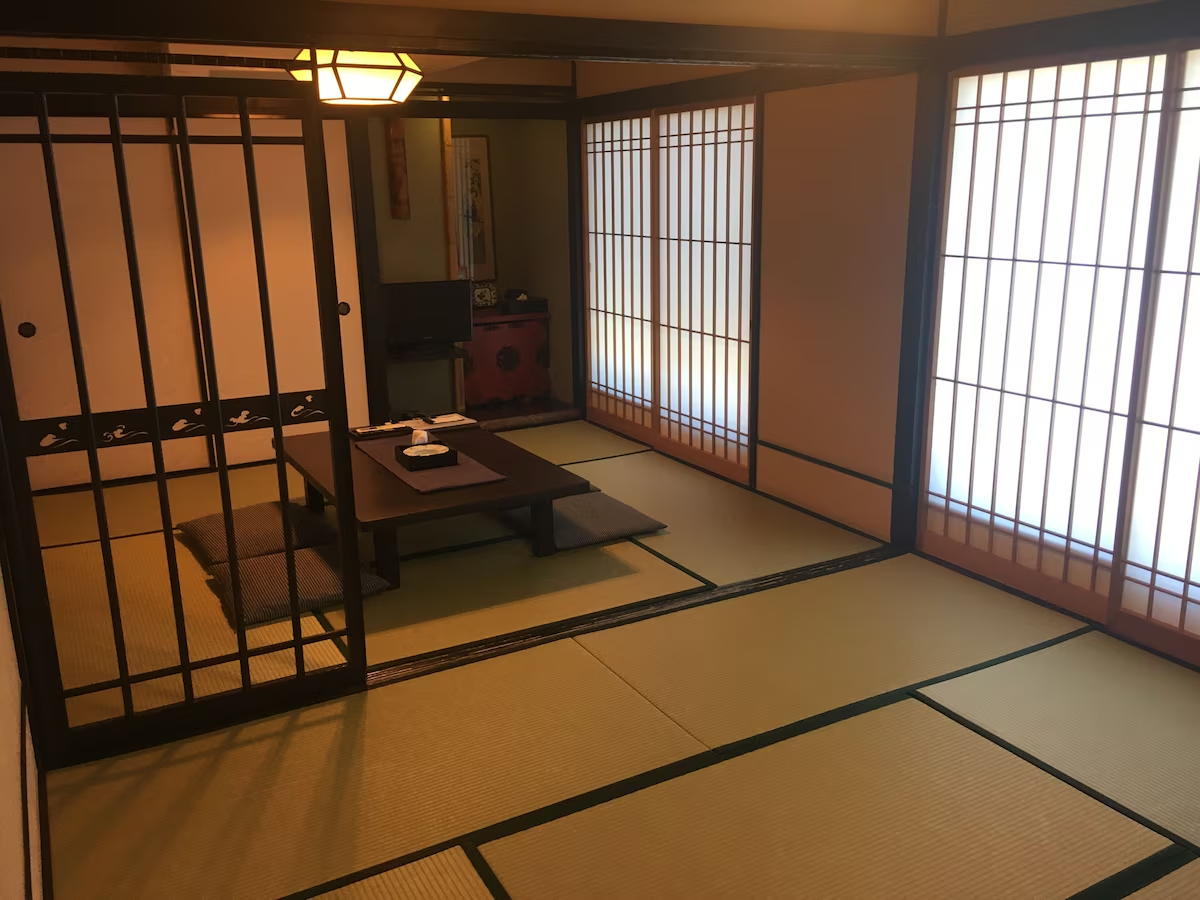
Starting the list in Tokyo, because yes, you can have the full ryokan experience without leaving the capital.
Ryokan Sadachiyo sits in Asakusa, just a short walk from Senso-ji Temple, Nakamise shopping street, and the Sumida River. You get old Edo atmosphere in one of the few Tokyo neighborhoods that still has it.
The rooms feature tatami flooring, futon bedding, and sliding paper screens, and guests consistently mention how spotless everything is. There are also traditional communal baths, plus the option to book kaiseki dinners featuring seasonal dishes.
What do travelers love most? The staff. Many recent guests say the team goes out of their way to explain ryokan etiquette to first-timers, which takes the pressure off if you’ve never slept on a futon or used an onsen-style bath before.
Best for: first-time visitors who want a taste of tradition without leaving Tokyo. The rooms aren’t huge, but that’s Tokyo for you – and the location easily makes up for it.
#11 – Fujisan Onsen Hotel Kaneyamaen, Fujiyoshida
Want to soak in a hot spring while staring at Mount Fuji? That’s the entire pitch here, and honestly, it’s a strong one.
Kaneyamaen sits in Fujiyoshida, near Mt. Fuji Station and a short drive from Lake Kawaguchi. On clear mornings, the rooftop open-air baths look straight at the mountain, and guests frequently mention waking up early just to catch the sunrise from the water.
The property features a sprawling Japanese garden, spacious tatami rooms, and multi-course dinners built around local ingredients. It’s bigger and more hotel-like than the other inns on this list, but the trade-off is space, facilities, and some of the best Fuji-facing baths anywhere — which is exactly why families and groups find it easier than smaller, quieter inns.
Best for: families and anyone chasing that iconic Fuji photo. FYI, Fuji hides behind clouds more often than you’d think, so build in a buffer day if the mountain is your main goal.
#10 – Yuzuya Ryokan, Kyoto
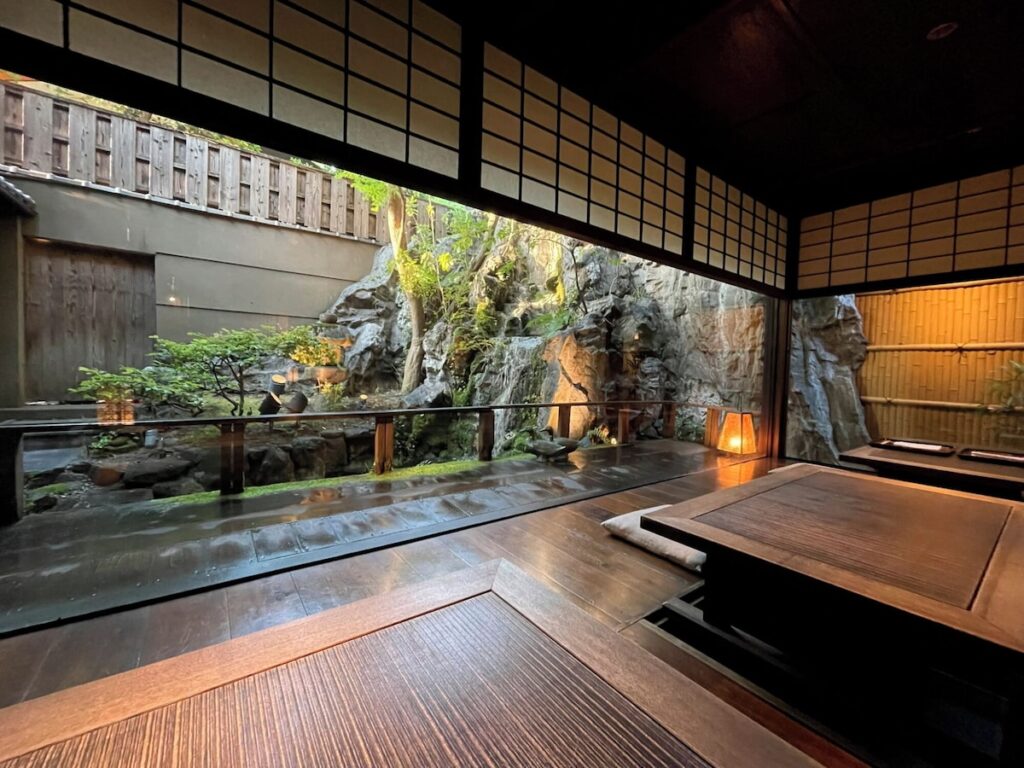
If Kyoto is on your itinerary – and let’s be real, it is – Yuzuya puts you right at the entrance to Yasaka Shrine in the Gion district. Step outside and you’re immediately in the middle of Kyoto’s most famous geisha neighborhood, with Kiyomizu-dera Temple within walking distance.
This is a small, intimate inn with only a handful of rooms, and that’s exactly why guests love it. Travelers consistently mention the quiet atmosphere, the beautiful garden views from the rooms, and dinners that showcase yuzu, the Japanese citrus the ryokan is named after.
Best for: couples who want a romantic, quiet base in the heart of historic Kyoto. Book early though – with so few rooms, it fills up fast during cherry blossom and autumn leaf season.
#9 – Hiiragiya, Kyoto
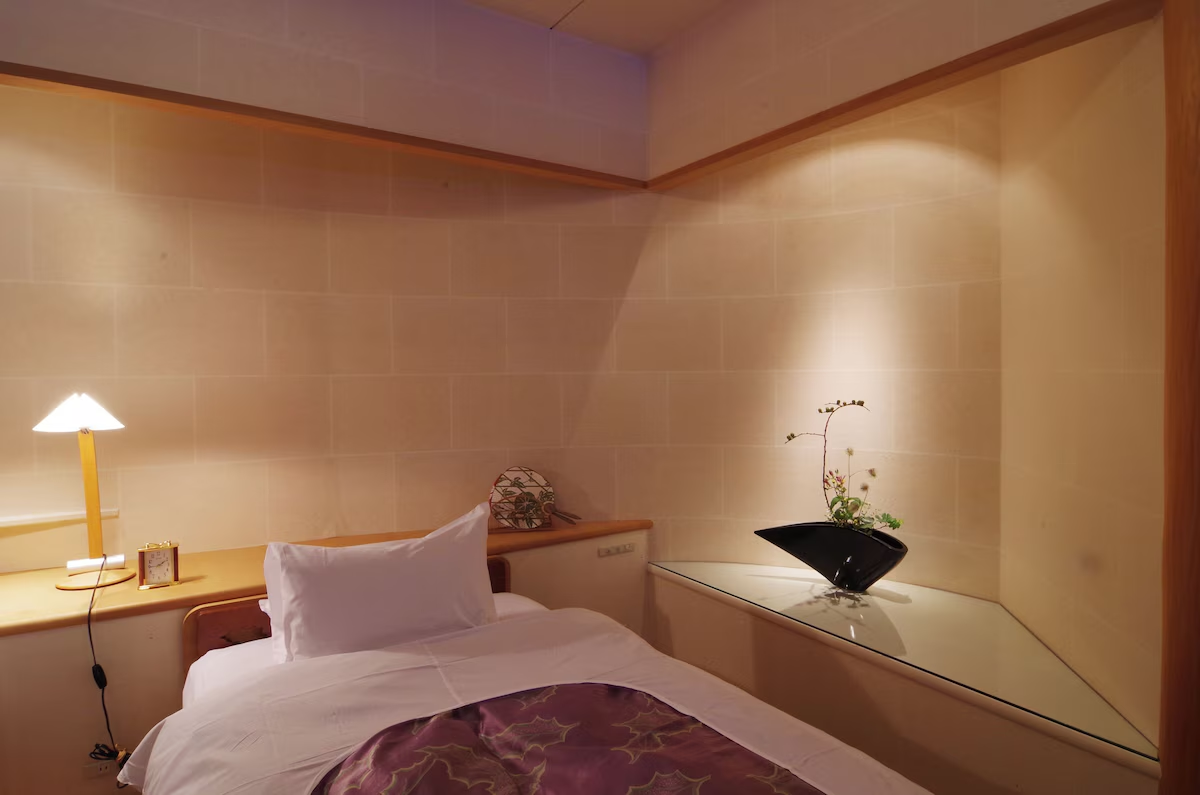
Speaking of Kyoto, let’s talk about one of its most storied inns. Hiiragiya has welcomed guests since 1818, and over two centuries it has hosted writers, artists, and dignitaries who came for one thing: hospitality done at the highest level.
The location is central, close to Nishiki Market, the Imperial Palace, and downtown shopping. Rooms blend antique craftsmanship with modern comfort – some have cypress soaking tubs, and the newer wing offers a slightly more contemporary feel if that’s your preference.
Guests often highlight the personal attention. Your room attendant serves dinner course by course, explains each dish, and lays out your futon while you eat. Many travelers describe it as the single best service experience of their entire trip.
Best for: luxury travelers who want history and refinement in equal measure. This one sits at the higher end of the price range, so it’s more of a special-occasion splurge than an everyday stay.
#8 – Nishimuraya Honkan, Kinosaki Onsen
Ever heard of Kinosaki? It’s a small hot spring town on the Sea of Japan coast where visitors stroll between seven public bathhouses wearing yukata robes and wooden sandals. The whole town feels like a movie set – except it’s real, and it’s been doing this for over a thousand years.
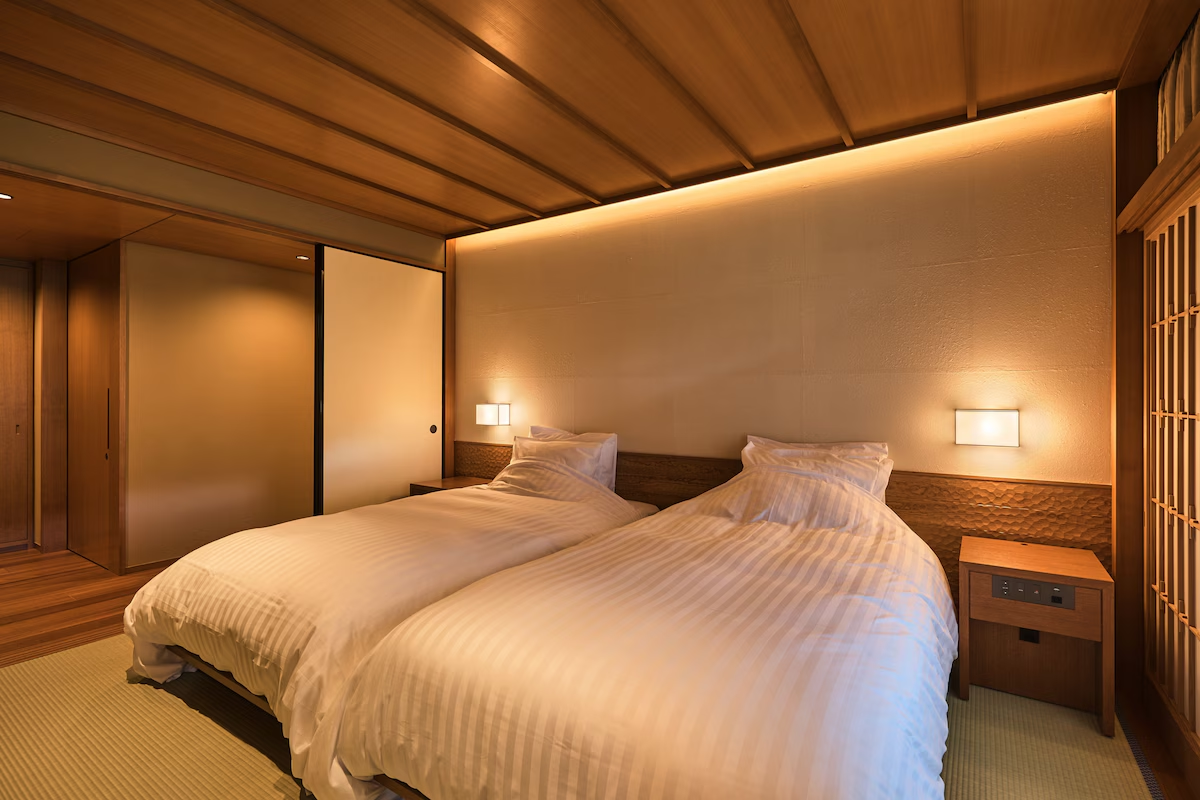
Nishimuraya Honkan is the town’s flagship ryokan, run by the same family for generations. The building wraps around manicured gardens, and the rooms open onto them with those classic sliding doors that make you want to sit still and drink tea for an hour.
In winter, guests come specifically for the crab. Kinosaki is famous for snow crab season, and travelers consistently mention the crab kaiseki dinners as a highlight of their entire Japan trip.
Best for: couples and food lovers. It’s about two and a half hours from Kyoto by train, so it works beautifully as a one or two night side trip.
#7 – Ryokan Kurashiki, Kurashiki
Need a stop between Osaka and Hiroshima? Kurashiki’s canal district is one of the most beautiful preserved merchant quarters in Japan – white-walled storehouses, weeping willows, and swan boats gliding down the water.
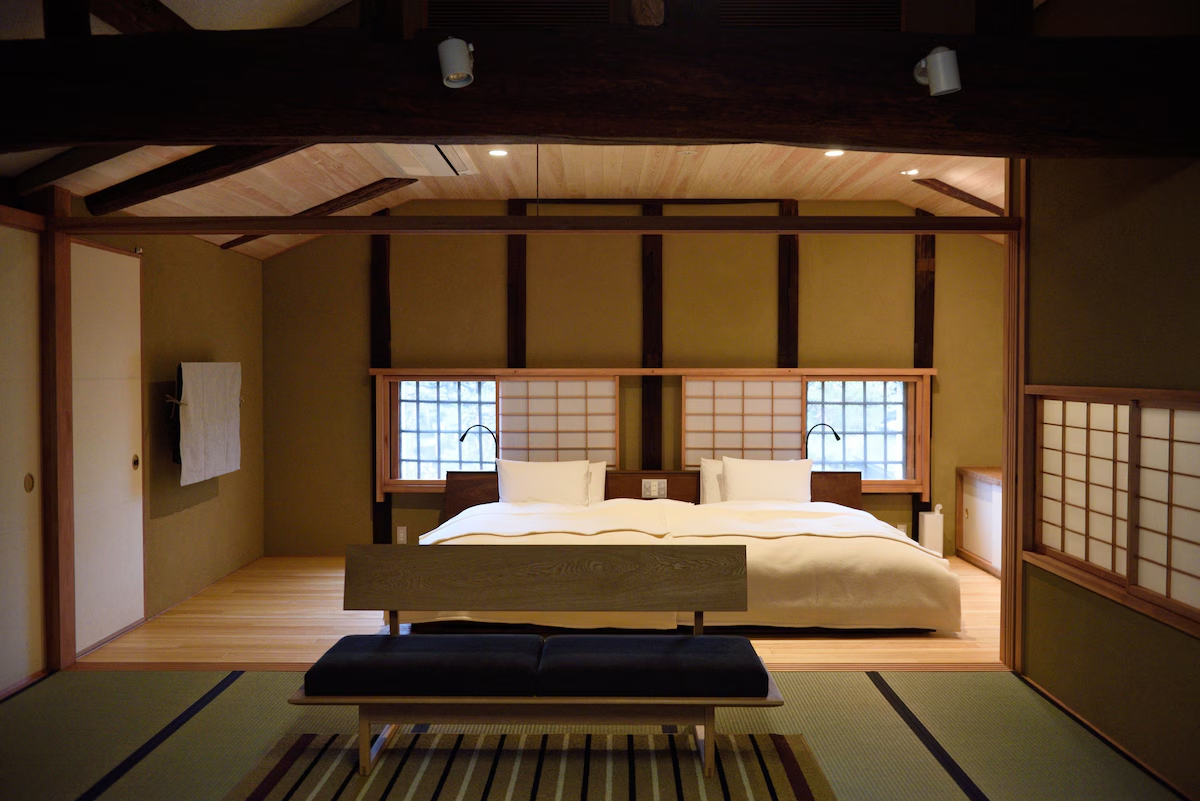
Ryokan Kurashiki sits directly on that canal, inside converted merchant buildings from the Edo period. The rooms mix antiques with modern bathrooms, and guests frequently mention how atmospheric the whole property feels after dark, when the day-trippers leave and the canal lights come on.
Visitors also praise the food, with dinners built around Setouchi seafood from the nearby Inland Sea.
Best for: travelers who want somewhere genuinely different from the usual Tokyo–Kyoto route. The town is compact, so one night here covers the highlights.
#6 – Iwaso, Miyajima
Here’s a question: what happens on Miyajima Island after the last ferry of day-trippers leaves? The famous floating torii gate stays lit, the deer wander the quiet paths, and the handful of overnight guests basically get the island to themselves.
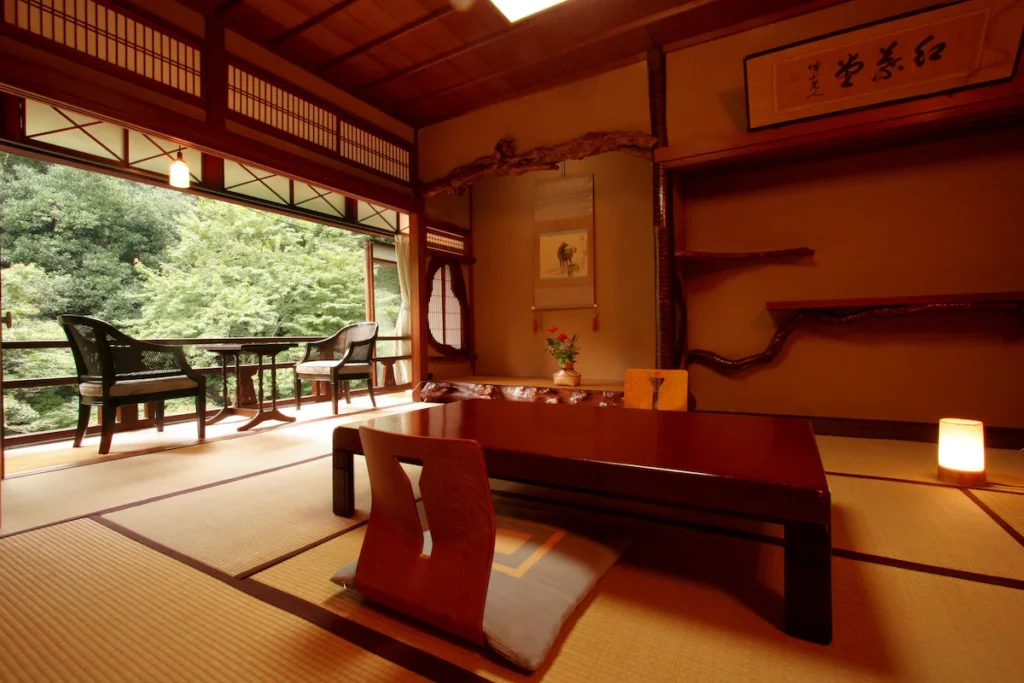
Iwaso has been hosting those guests since 1854. It sits in Momijidani Park, a maple-filled valley behind Itsukushima Shrine, and in autumn the entire area turns red and gold. Guests consistently praise the peaceful setting, the hot spring baths, and dinners featuring local oysters and conger eel.
Best for: anyone visiting Hiroshima who can spare one night. Travelers often say staying overnight completely changed how they experienced Miyajima compared to a rushed day trip.
#5 – Honjin Hiranoya Kachoan, Takayama
Heading into the Japanese Alps now. Takayama’s old town is packed with sake breweries, morning markets, and preserved wooden streets – and Kachoan sits just a few minutes’ walk from all of it.
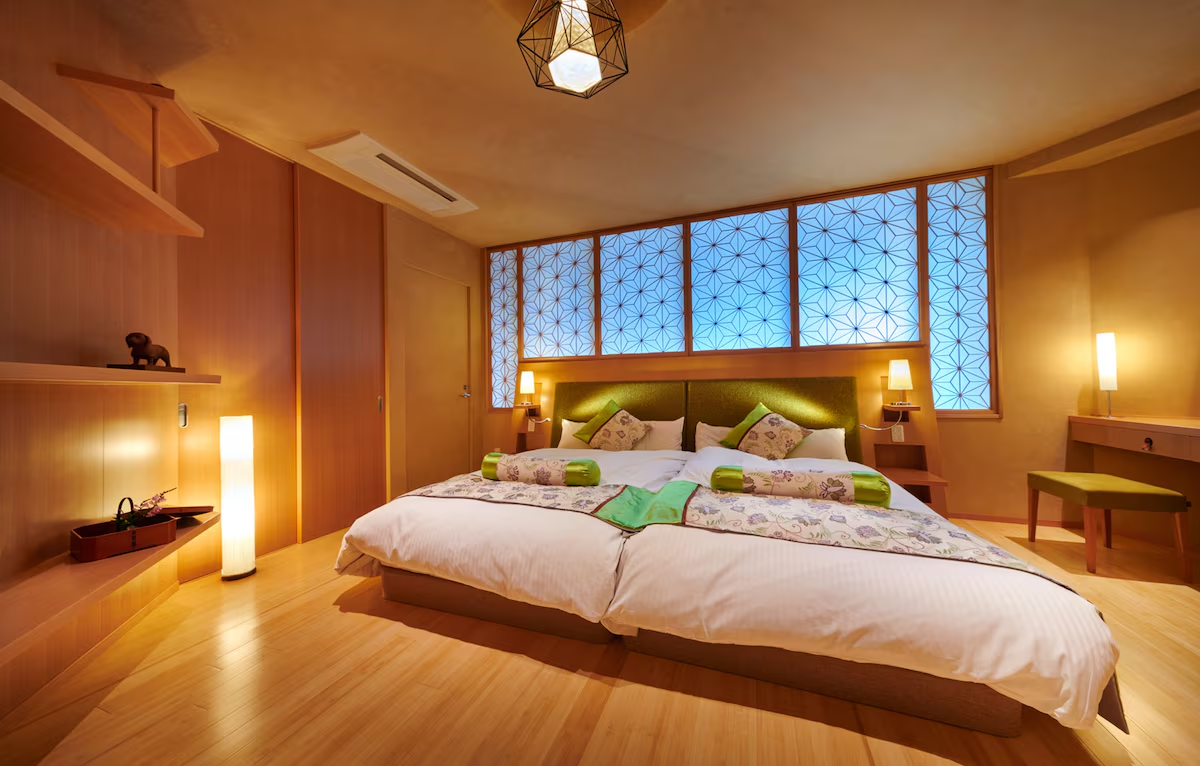
This ryokan leans into comfort. Guests frequently mention the welcome matcha service, free sake tastings in the lounge, and staff who greet you by name after day one. The rooms are spacious by ryokan standards, with river or mountain views, and the indoor and open-air baths use smooth, mineral-rich water.
Dinner here means Hida beef – the local wagyu that rivals Kobe at a fraction of the fame. Many travelers call it the best beef they ate in Japan.
Best for: travelers who want traditional style with generous, attentive service. It works well for both couples and families.
#4 – Wanosato, Takayama
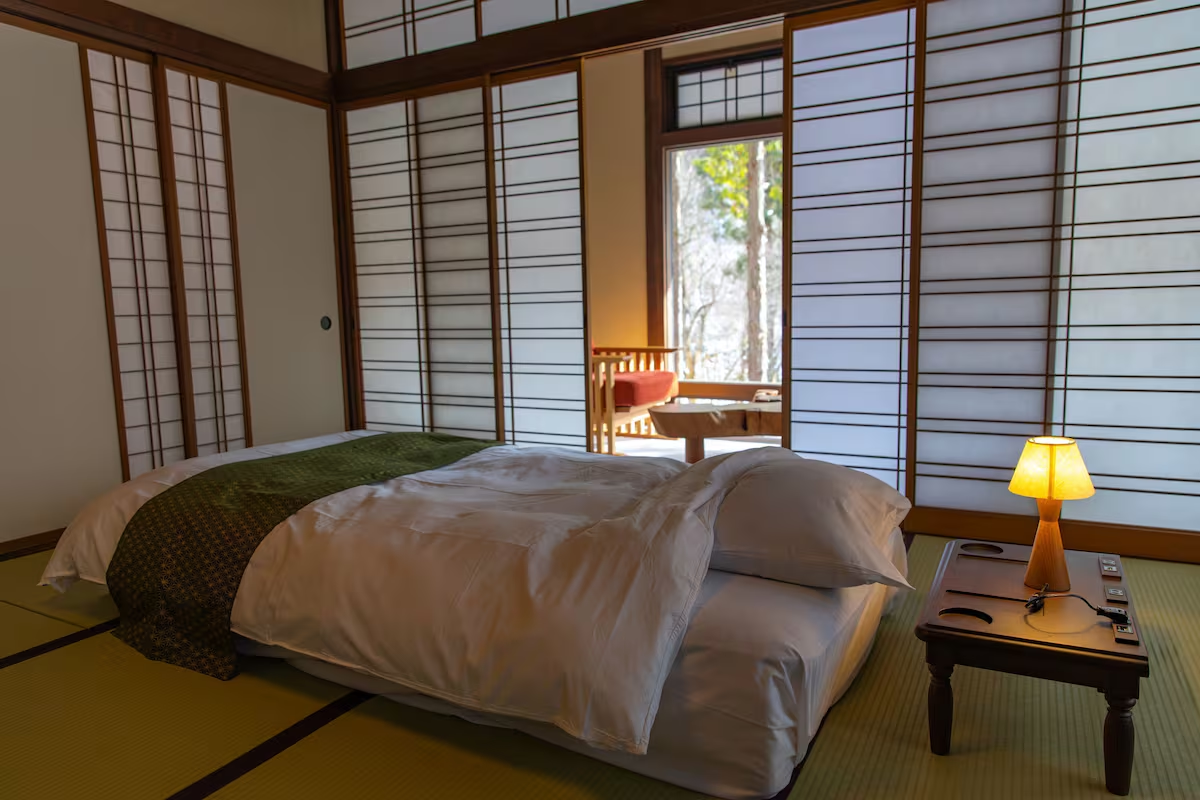
If Kachoan is Takayama’s polished town inn, Wanosato is its rustic country cousin – and some travelers like it even more.
The main building is a 160-year-old farmhouse with massive dark timber beams, an open hearth, and a riverside setting outside the city. There are only a handful of rooms, so the whole place stays hushed and personal. Guests often describe evenings by the irori fireplace as the moment their trip finally slowed down.
The open-air bath sits beside the river, and dinners feature Hida beef and mountain vegetables cooked over charcoal.
Best for: travelers who want deep countryside atmosphere without giving up comfort. You’ll want the ryokan’s shuttle or a taxi to reach town, so plan around that.
#3 – Ryokan Sanga, Kurokawa Onsen
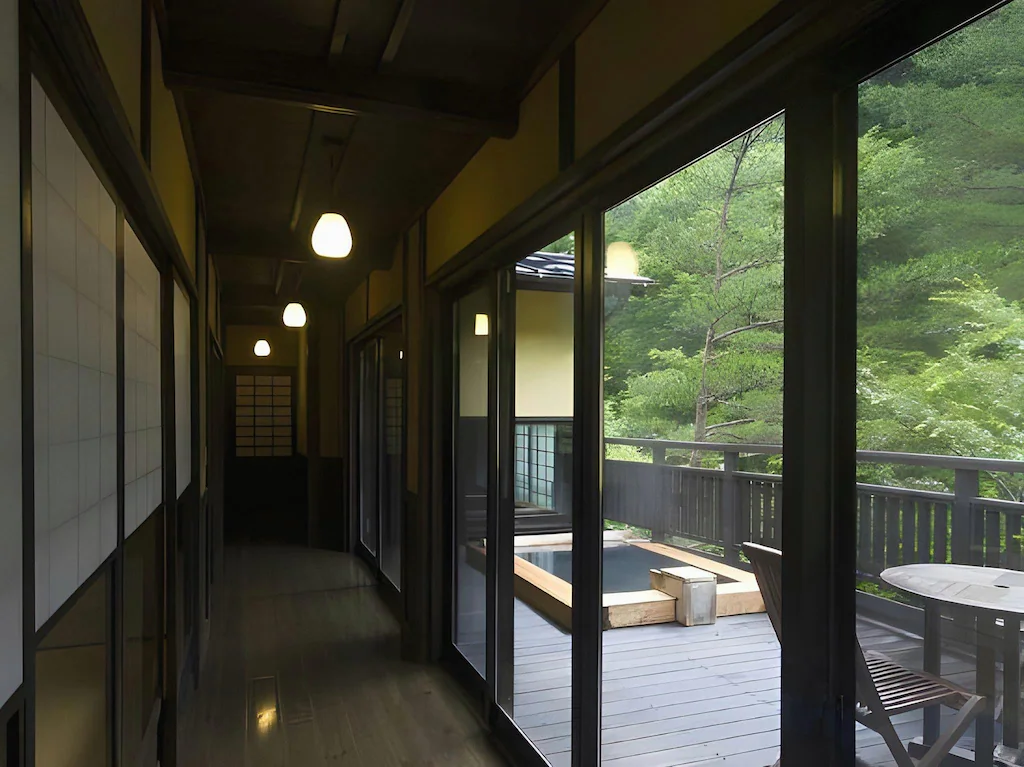
Time to head south to Kyushu. Kurokawa Onsen is a tiny hot spring village tucked into a forested gorge near Mount Aso, and it’s widely considered one of the prettiest onsen towns in the country.
Ryokan Sanga sits along the river with multiple baths – indoor, outdoor, and private ones you can reserve for just the two of you. Guests consistently mention the sound of the river from the rooms and the steam rising off the rotenburo in the cooler months.
The village itself runs a bath-hopping pass that lets you visit open-air baths at other inns, which turns the whole town into one big spa day.
Best for: onsen enthusiasts and couples. Getting here takes effort – it’s a bus ride from Kumamoto or Fukuoka – but travelers repeatedly say it was the most memorable stop of their trip.
#2 – Hakone Ginyu, Hakone
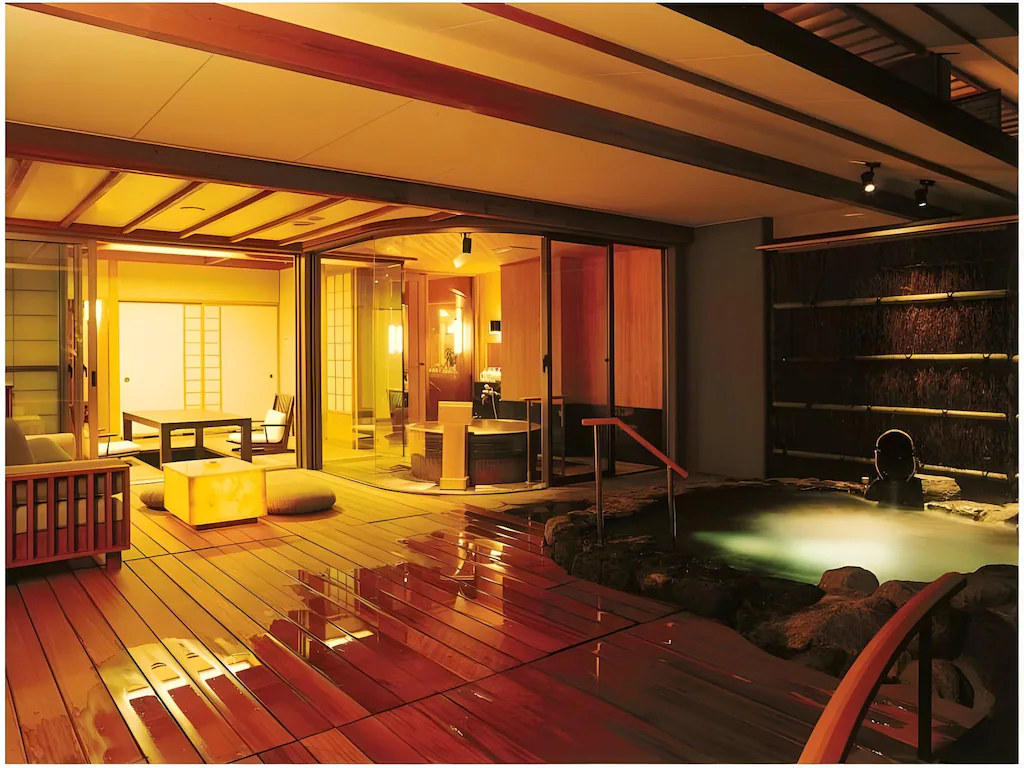
Trying to find a ryokan with a private open-air bath on every single balcony? Hakone Ginyu delivers exactly that.
The property clings to a hillside in Miyanoshita, and every room faces the Hakone mountains with its own outdoor onsen tub. Guests frequently mention soaking at night with the valley lights below, then again at sunrise with mist rolling through the hills. There’s also a dramatic infinity-style public bath if you want variety.
Dinner is modern kaiseki, and visitors often highlight how the staff remember small preferences – tea temperature, dinner timing, all the little things.
Best for: honeymooners and anyone celebrating something. It’s a splurge, no way around it, but many guests say it justified every yen. And since Hakone is only about 90 minutes from Tokyo, it’s an easy add to any itinerary.
#1 – Gora Kadan, Hakone
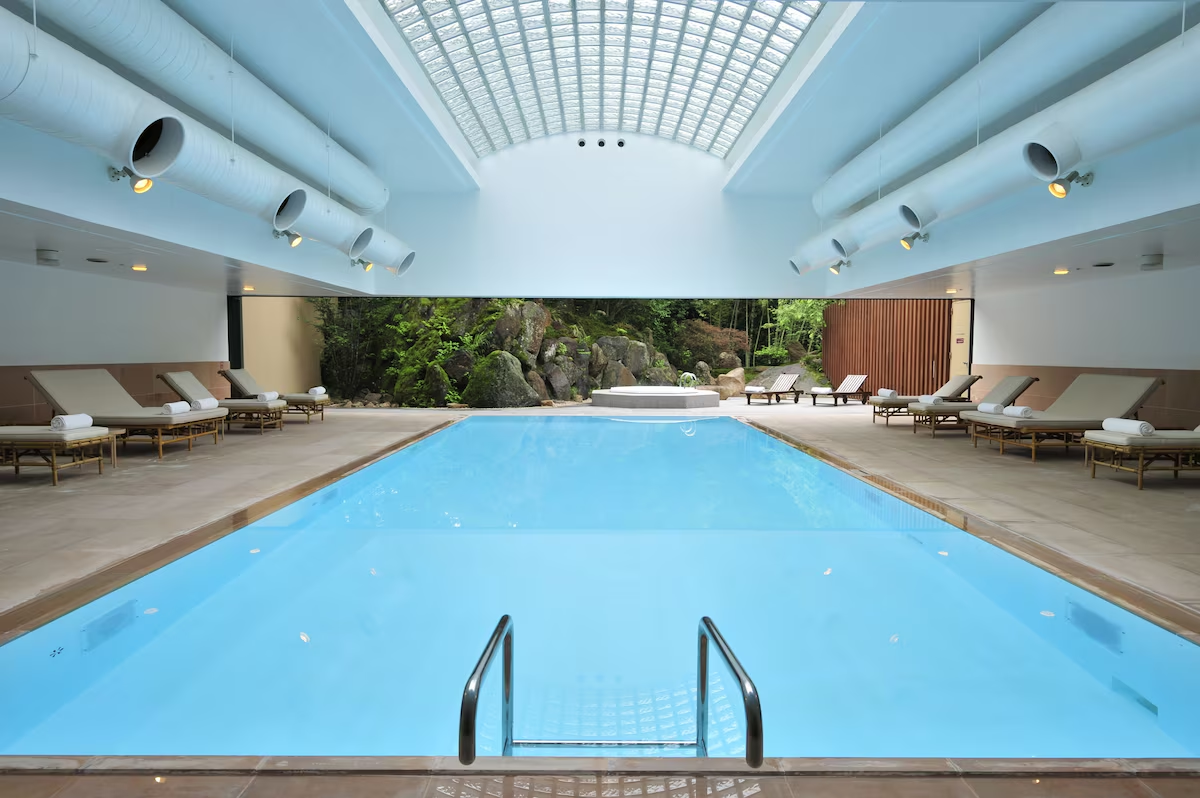
And at number one – Gora Kadan. Ask frequent Japan travelers to name the country’s most famous luxury ryokan, and this name comes up again and again.
Built on the grounds of a former imperial family summer villa in Gora, it combines old aristocratic elegance with sleek modern design. Many rooms include private open-air baths, and the spa, indoor pool, and communal onsen give you plenty of ways to do absolutely nothing, beautifully.
Guests consistently praise three things: the kaiseki dinners, the flawless service, and the sense of calm that hits the moment you walk through the entrance corridor. The location also puts you near the Hakone Open-Air Museum and the Gora cable car, so sightseeing is easy when you eventually peel yourself out of the bath.
Best for: luxury travelers who want the definitive ryokan experience. It’s the most expensive stay on this list, but for a once-in-a-lifetime night in Japan, this is the one travelers mention most.
So there you have it – 12 ryokans covering Tokyo, Fuji, Kyoto, the Alps, the coast, and Kyushu. Whether you’re after a budget-friendly night on tatami in Asakusa or a private onsen overlooking the Hakone mountains, there’s a stay on this list for you.
About the Author

Ethan Miles
Thanks for stopping by Happy Travel Corner! I enjoy researching destinations, discovering great hotels, putting together travel outfit ideas, and sharing simple travel tips to help make every trip a little easier to plan. I hope you'll find ideas and inspiration for wherever you're headed next. Happy travels!